
Features & analysis.
Longform reporting from the Ecoflix news desk, built on observation days and the eco diary: wildlife, oceans, climate, science, policy, and the people holding the line.
Every story.
Filter by category, or dive straight in. Every feature is hosted here in full.
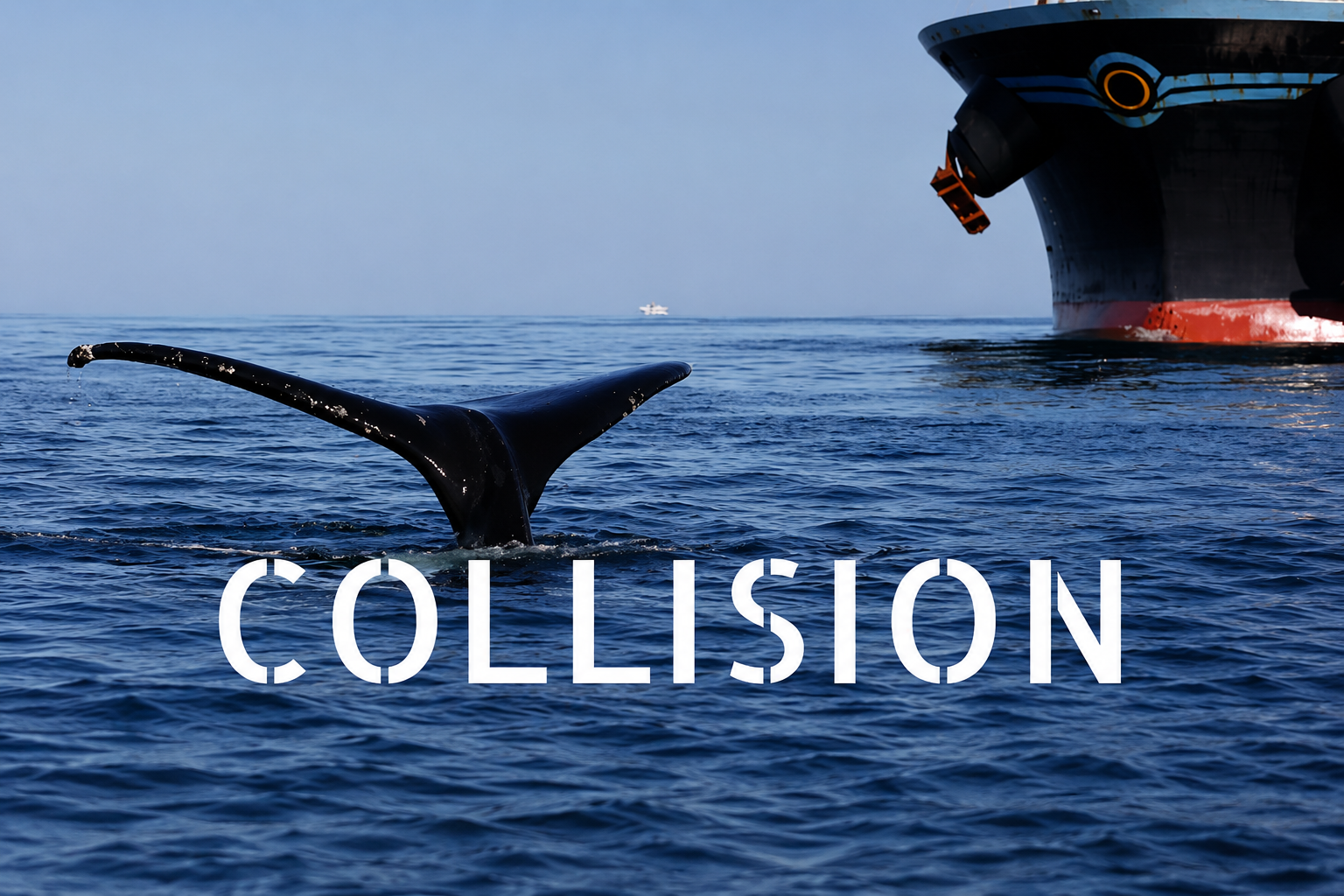
Collision: the invisible toll of ships on the great whales
Every year thousands of great whales are struck and killed by ships, and we see fewer than one in twenty. Collision, premiering on Ecoflix, follows the scientists, sailors and shipping companies proving this is a problem we already know how to solve.
Read feature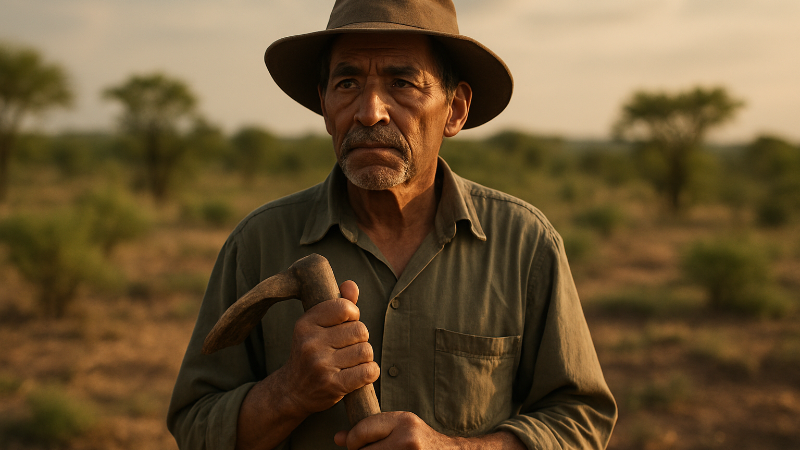
The Land That Came Back to Life
On World Environment Day 2026, the most powerful argument for nature-based climate action is not a projection or a policy paper. It is the evidence of what communities have already done — on three continents, with their own hands and their own land.
Read feature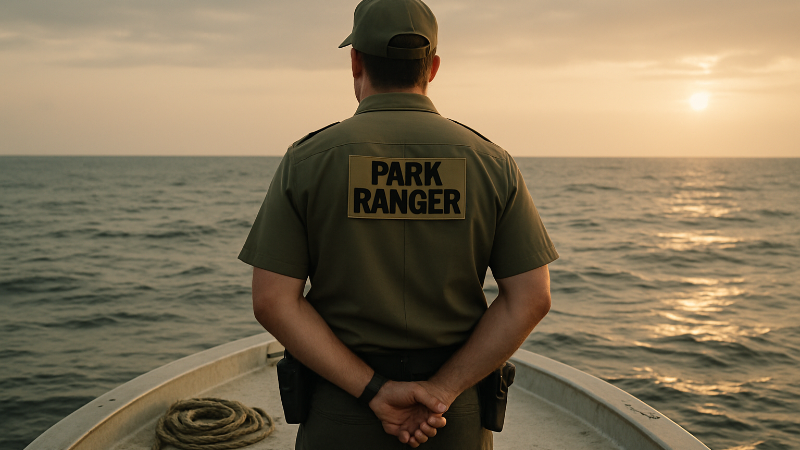
Most Marine Protected Areas Exist Only on Paper
On World Oceans Day, the gap that matters most is not between healthy seas and degraded ones — it is between the protections governments have announced and the ones that actually function. The 30x30 target is closer than it looks, and further away than the numbers suggest.
Read feature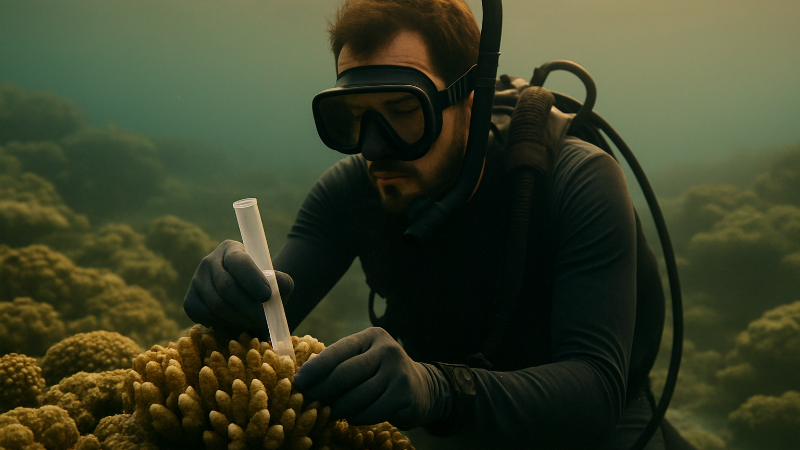
What Super Corals Reveal About Reef Recovery
In the tropical eastern Pacific, a team of scientists is sampling the same corals twice a year, chasing a question that could reshape how the world thinks about ocean restoration. Some reefs are fighting back — and the science of why is finally catching up.
Read feature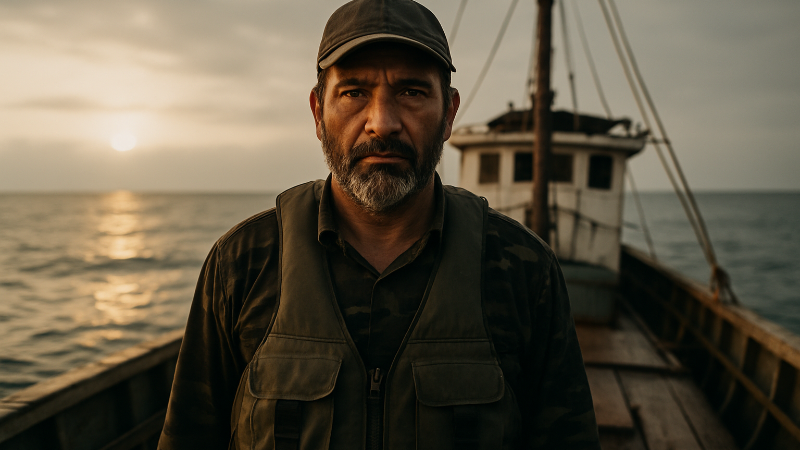
When Fishing Communities Defend the Ocean
The strongest evidence that marine protection works is not found in policy documents. It comes from the fishing communities, enforcement networks and NGO partnerships where illegal fishing has been met, and turned back. Neptune's Pirates is one of those stories.
Read feature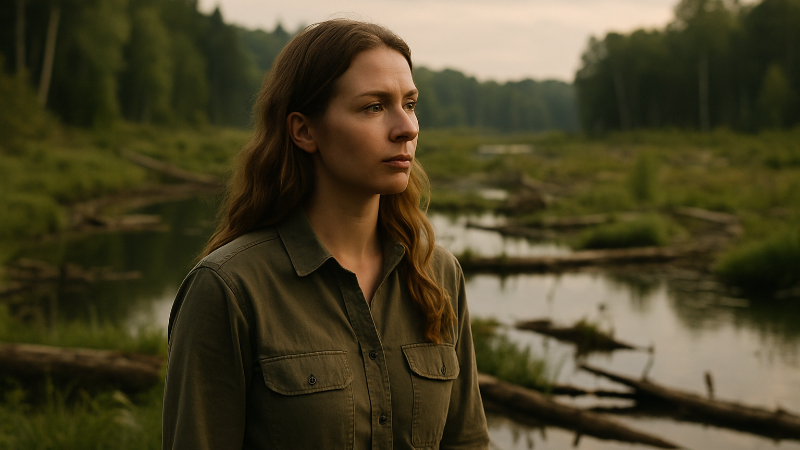
Why Nature Is Now a Climate Strategy
This week marks World Environment Day 2026, themed Inspired by Nature. Behind the slogan is a growing body of evidence that restored ecosystems are among the most powerful climate tools available — and some of the least used.
Read feature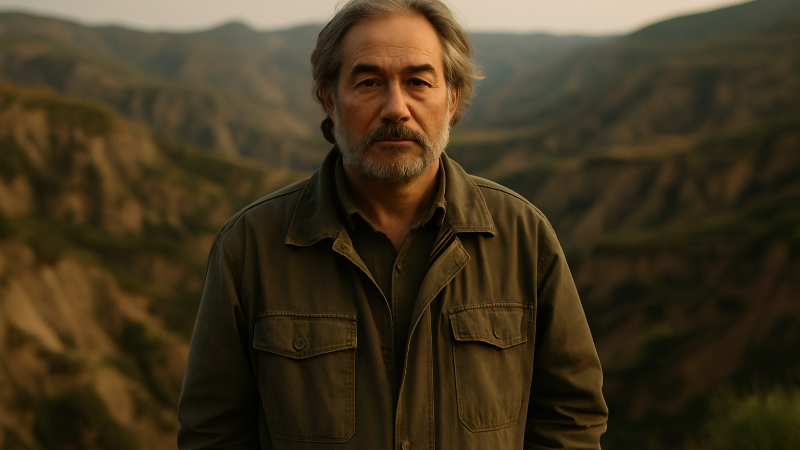
What 35,000 Square Kilometres Can Teach Us
In the 1990s, China's Loess Plateau was the most eroded place on Earth. What happened next is one of the most documented and significant acts of ecological recovery ever recorded — and its lessons apply far beyond China's borders.
Read feature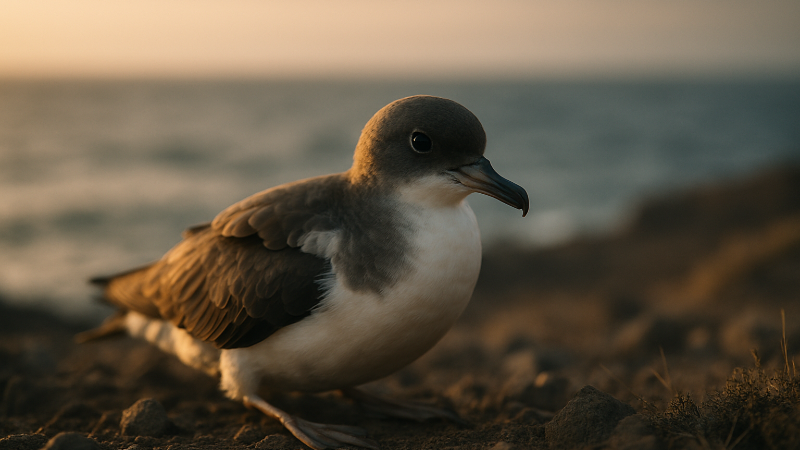
What Happens When the Lights Come On at Sea
Seabirds are declining faster than almost any other bird group on the planet. The reasons are varied, the solutions less so — and a single night rescue operation on Madeira shows exactly how much ground we have already lost, and how little it takes to stop losing more.
Read feature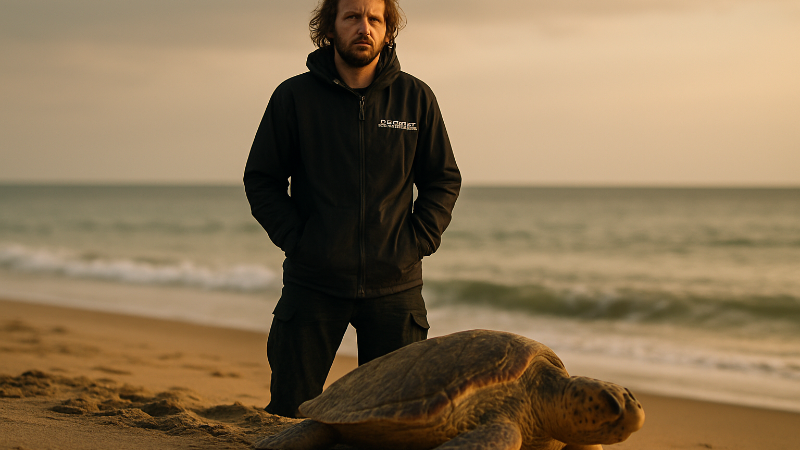
The Activists Holding Ocean Destroyers to Account
From Grenada's reefs to the killing bays of the Faroe Islands, the front line of ocean protection is held by a small number of organizations willing to go where others do not. What they find there is both troubling and clarifying.
Read feature
What Two Women in Kibber Taught the World About Living with Snow Leopards
At more than 4,000 metres in the Spiti Valley, Dolma and Chodon have helped turn a village of leopard-wary herders into a community that now reports seeing more snow leopards than it did twenty years ago. The model behind that change is worth understanding in full.
Read feature
Why Beavers Are Already Doing the Job Policy Hasn’t
Beaver reintroductions in Britain have moved faster than legislation, faster than expectation, and produced measurable ecological change in a handful of years. The evidence is now harder to ignore than the politics around it.
Read feature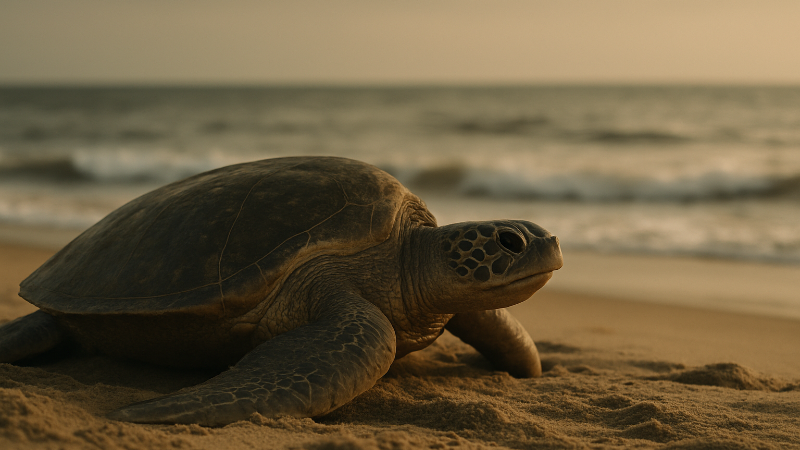
Why Sea Turtles Are Still Losing Ground
Sea turtles have outlasted mass extinctions, ice ages and the rise of every modern predator. What they have not yet outlasted is the ocean as it exists today — and World Turtle Day is a sharp reminder of what hangs in the balance.
Read feature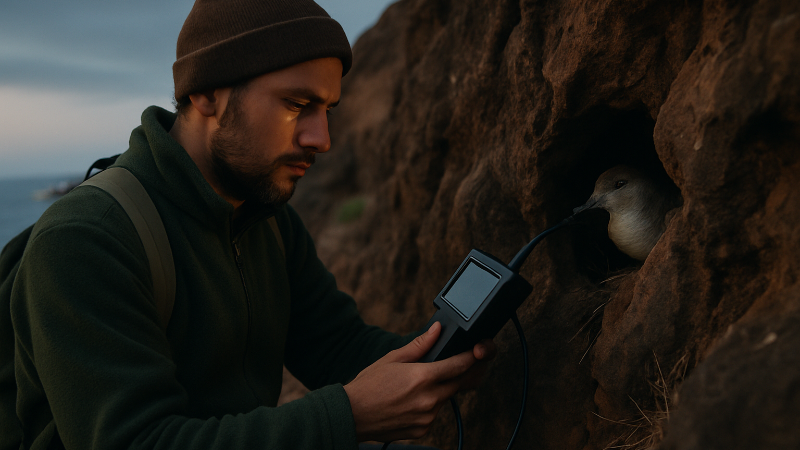
How Darkness Became a Conservation Tool
The science behind seabird rescue is more intricate than it looks from the street. From acoustic monitoring to GPS-tracked releases and tunable LED systems dimmed after midnight, the field methodology is reshaping how conservationists think about light, time and the design of coastal towns.
Read feature
The Species That Came Back From the Edge
Endangered Species Day is not only a reckoning with what is being lost. It is a record of what has been saved — and the evidence from the field is more encouraging than the headlines suggest, provided the intervention comes early enough.
Read feature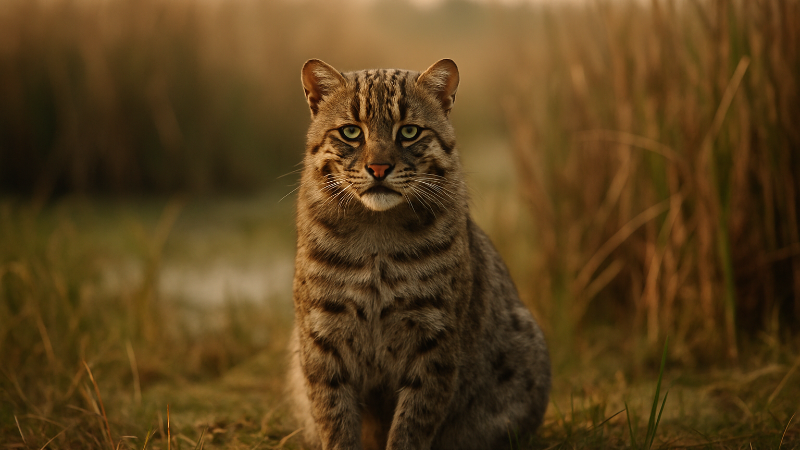
The Cats Nobody Counts: Why Big Cat Conservation Begins Outside Protected Areas
Tigers and lions attract headlines and funding. But the survival of the world's big cats depends on a quieter, harder fight playing out in wetlands, mountain passes and unprotected land where the formal conservation system barely reaches.
Read feature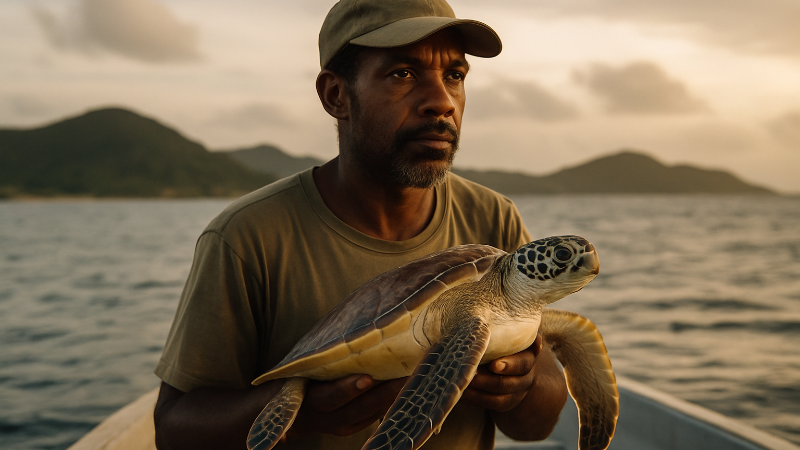
How Fishermen Are Saving Turtles in Grenada
On a 12 square mile island in the southern Caribbean, scientists, a wildlife vet and local fishermen have completed the first ever in-water survey of sea turtles around Carriacou — and in doing so, may have changed the terms of the conversation for good.
Read feature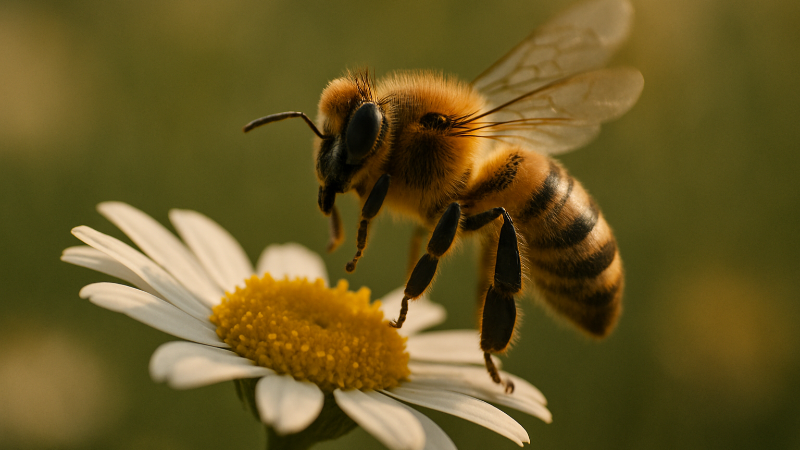
What Bees Know That We Have Forgotten
On World Bee Day, the science behind pollination reveals an architecture of ecological intelligence that took millions of years to build — and is being dismantled in decades. The question is whether we understand enough to rebuild it.
Read feature
The Evidence That Ecological Restoration Works
On International Day for Biological Diversity, the question is no longer whether ecosystems can recover — it is whether the work is being done at the scale and speed that the evidence demands. The proof, from the field, is more encouraging than the headline numbers suggest.
Read feature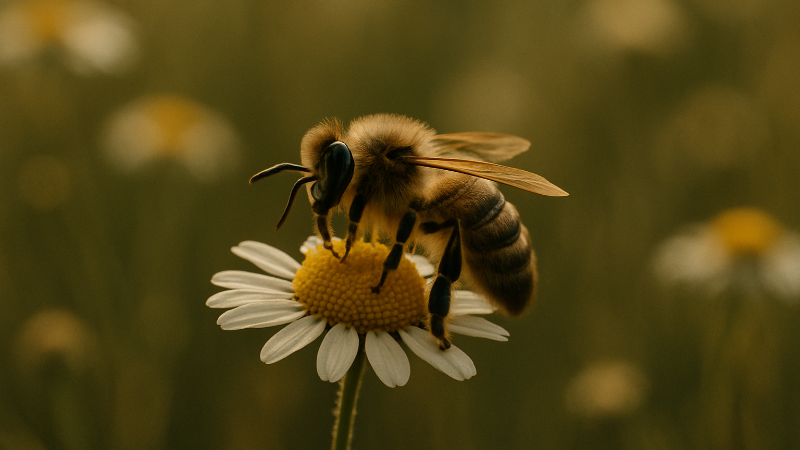
Why Insect Decline Is a Warning to Us All
Roughly 40 per cent of insect species are now at risk of extinction. The bees are the most visible sign of a disruption running through the entire food system — and through every ecosystem that sustains it.
Read feature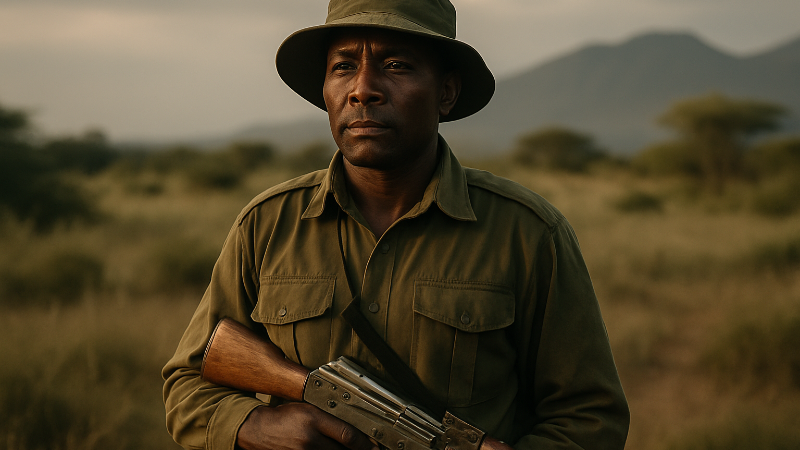
The People Who Hold the Line: Ranger Support and the Real Cost of Keeping Big Cats in the World
Conservation science can map a corridor. Policy can designate a reserve. But neither does anything without the rangers, community monitors and field teams who are physically present in the landscape every day. Their work is among the least funded and most essential in the field.
Read feature
What Earth Day Looks Like When Ancient Trees Come to a Wolf Sanctuary
On 22 April 2026, giant sequoia clones propagated from trees over three thousand years old are being planted at Wolf Connection in California. The coincidence of date, place and act is the clearest Earth Day proof point in years.
Read feature
Jane Goodall, 1934–2025: Hopeful to the End
Jane Goodall died in 2025 aged 91, still travelling the world. Ecoflix looks back at the primatologist whose Gombe research changed science and inspired generations.
Read feature
Why World Civet Day 2026 Is More Than an Awareness Campaign
World Civet Day 2026 directs all donations to the Civet One Health programme. Here is what that field research does, and why it matters beyond the animals.
Read feature
How a Wolf Sanctuary in California Is Proving That Restoration Works
Wolf Connection reports some of the most striking youth program outcomes in the conservation sector. Behind those numbers lies a model that two Ecoflix partners are now building outwards, together.
Read feature
What SARS Still Has to Tell Us About the Wildlife Trade
Palm civets were implicated in the 2002 SARS outbreak. Two decades on, the science linking their exploitation to zoonotic disease risk has never been clearer.
Read feature
Building the World’s Largest Highway Wildlife Crossing
With Earth Day approaching, the world’s largest highway wildlife crossing above Los Angeles shows what conservation partnerships can actually produce when the evidence and the institutions align.
Read feature
Inside the Citizen-Science Push to Heal the Hudson
For two decades, a single river-keeper organization has built one of the largest watershed-scale monitoring efforts in the United States. The data it generates has begun to change what river recovery looks like.
Read feature
The Mountains Above LA And the Reality of Conservation
Ten minutes from Hollywood, mountain lions and bears thrive in the Angeles National Forest. The conservation story behind their survival matters well beyond California this Earth Day.
Read feature
Why Wolves Still Have Something to Teach Us
Long before they became figures of fear, wolves were recognized by human cultures as teachers and companions. The science and the stories now emerging from a sanctuary in Southern California suggest that relationship is not as lost as we as
Read feature
How Chimpanzee Research Transformed How We See Humans
Chimpanzees share 98 per cent of our DNA, use tools and form lasting social bonds. Understanding their decline means understanding what we stand to lose.
Read feature
The Trade That Turned a Forest Animal Into a Coffee Machine
From captive kopi luwak farms to unregulated markets, civet exploitation carries costs that the luxury coffee trade has long preferred not to advertise.
Read feature
The Sanctuaries Giving Chimpanzees a Future
Ecoflix partners Chimp Haven, Liberia Chimpanzee Rescue and Protection and Limbe Wildlife Centre are keeping chimpanzees alive.
Read feature
What the Water Vole Reveals About the State of British Rivers
A small, half-forgotten mammal once defined the English riverbank. Its near-disappearance has become the clearest single index of what has gone wrong with the country’s freshwater systems.
Read feature
Ten Years of Trail Cameras in the Angeles National Forest: What the Evidence Shows
A decade of trail camera evidence, legislation protecting California’s predators and a female mountain lion with three litters of kittens: the conservation evidence from the Los Angeles mountains is specific.
Read feature
Saving Spider Monkeys Means Reconnecting Forests
In Costa Rica’s Osa Peninsula, the survival of spider monkeys depends on more than protected forest alone. Their future increasingly rests on whether fragmented rainforest can be stitched back together before roads, monoculture and illegal
Read feature
Why Humpback Whale Migration Tests Our Relationship With the Sea
Each winter, humpback whales travel from Alaska to Hawai‘i, following one of the Pacific’s most important migration routes. Ocean Guardians explores what that journey reveals about marine conservation and the continuing challenge of living
Read feature
How the World Works: Gravity – the Force that Shapes Life on Earth
From Galileo and Newton to orbit, bone strength and everyday life, the latest How the World Works episode explains gravity in clear, lively terms for viewers of all ages, blending science, storytelling and curiosity in an accessible introdu
Read feature
The Intelligence War Behind Pangolin Trafficking
Pangolin trafficking remains a major organized crime. Seizure follows the investigators working across borders to disrupt one of the world’s most persistent illegal wildlife trades.
Read feature
Lori Hood’s Florida Rescue-to-Reform Mission
When animals began turning up at the end of her rural road, Lori Hood discovered a system that euthanised pets within days – and decided to build something better. In a podcast interview, she shared how Alaqua Animal Refuge grew from a barn
Read feature
Why Restoring Ecosystems Means Rebuilding Economies
Healthy ecosystems do far more than protect wildlife. As ecologist Thomas Crowther argues, restoring damaged landscapes with the right native species can strengthen climate resilience, improve livelihoods and reshape how governments and bus
Read feature
Why Bison May Hold the Future of Britain’s Forests
From Poland’s last primeval woodland to a pioneering rewilding project in Kent, the return of European bison is quietly reshaping how forests recover and how people reconnect with them.
Read feature
Dian Fossey: Gorillas, Courage, Conservation and Legacy
How Dian Fossey and the “Trimates” transformed our understanding of great apes and helped shape modern conservation.
Read feature
Ecoflix Launches Environment Education Series How The World Works
As environmental pressures increasingly shape public debate, Ecoflix is launching How The World Works, a new series designed to explain how planetary systems, natural resources and human activity remain closely connected — bringing complex
Read feature
Wildlife education: Ecoflix explores bees and pollination
The latest episode of How the World Works on Ecoflix turns to bees, explaining how pollination sustains food production, biodiversity and the wider ecosystems on which human life depends.
Read feature
After Dian Fossey: Who Really Cares About Gorillas?
On World Gorilla Day 2024, Ian Redmond reflects on decades of gorilla conservation in Rwanda and the Democratic Republic of Congo, highlighting the rangers, researchers, former poachers and community leaders working to protect gorillas and
Read feature
Trophy Hunting’s Impact on Science, Ethics and Conservation
Ian Redmond examines the scientific, ecological and ethical consequences of trophy hunting, using recent elephant killings in Tanzania to explore how removing dominant animals affects genetics, behaviour, ecosystems and long-term conservati
Read feature
Ecoflix & Hopefield: A partnership that was meant to be.
Hopefield Animal Sanctuary explains why its educational mission and animal welfare work closely align with Ecoflix, highlighting the shared goal of helping people make more informed choices for animals and the environment.
Read feature
Ecoflix and Born Free: Two Founders. One Mission.
Will Travers explains why Born Free Foundation supports Ecoflix’s mission to turn wildlife storytelling into practical action for animals, habitats and conservation.
Read feature
Rescuing Kaavan the Loneliest Elephant
David B. Casselman reflects on helping rescue Kaavan, the elephant once known as the loneliest in the world, and the determination required to secure his transfer to sanctuary in Cambodia.
Read feature
Endangered Species Day is not just about endangered species
Ian Redmond explores how endangered gorillas influence forest regeneration, insect life, rainfall systems and carbon storage, showing why species loss affects ecosystems far beyond their immediate habitat.
Read feature
Remembering Drs Shirley McGreal & Richard Leakey
Ian Redmond reflects on the lives and influence of Shirley McGreal and Richard Leakey, two conservation pioneers whose work reshaped wildlife protection, primate welfare and global environmental thinking.
Read feature
How Ecoflix Helps Lynx Conservation in Russia
Elizaveta Lukarevskaya explains how increasing encounters between young lynxes and human settlements in Russia led to the creation of the ABCR Lynx Rehabilitation Centre, supported by Ecoflix.
Read feature
James Levelle reflects on the movie ‘Don’t Look Up’
James Levelle reflects on the climate satire Don’t Look Up, linking its themes of denial and media failure to his own experiences documenting hurricanes and climate action.
Read feature
Lek Chailert: When the Lawyer met the Elephant Whisperer
Ecoflix founder David B. Casselman reflects on his first meeting with elephant advocate Saengduean Chailert, tracing her journey from outspoken critic of elephant cruelty in Thailand to one of the world’s most respected animal welfare leade
Read feature