
What Bees Know That We Have Forgotten
On World Bee Day, the science behind pollination reveals an architecture of ecological intelligence that took millions of years to build — and is being dismantled in decades. The question is whether we understand enough to rebuild it.
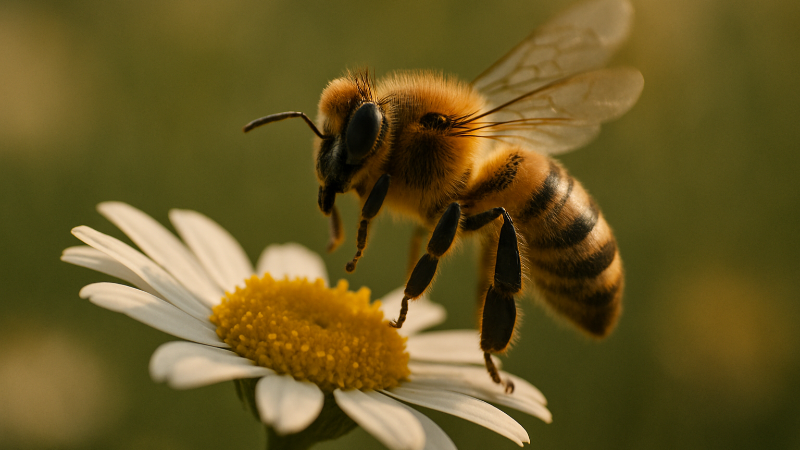
A bee has five eyes. Two large compound structures made of thousands of individual lenses detect colour, motion and polarised light simultaneously. Three smaller eyes positioned on the top of the head read light intensity and help maintain orientation in flight. Between them, they reveal a world of ultraviolet patterns on flower petals that are invisible to humans — navigational guides laid down through millions of years of co-evolution between plant and pollinator. Wings beating up to 230 times per second give a bee the aerodynamic precision to hold position in wind, execute rapid turns and hover above a single flower. The sense of smell, by comparison, makes human olfaction look vestigial.
Understanding this — the sheer biomechanical sophistication of the creature — changes the quality of the concern. This is not a sentimental argument for protecting something small and harmless. It is an argument about losing a precision ecological instrument that food systems and natural ecosystems have been structured around for a very long time.
How the World Works: Bees Matter makes this case by moving from the biology of the bee outward into the food chain it supports. Pollination connects apples and almonds to forests and soil stability. When bees collect nectar and move pollen between flowers, they are not performing a service for human agriculture as an incidental by-product of their own survival. They are doing what the ecosystem is built to require. The film's value on a day like this one is its clarity on that structural role: bees are not charismatic wildlife to be protected for their own sake alone. They are the mechanism through which a very large part of life on Earth reproduces itself.
The practical implications of that are visible in Ireland, where conservationists working with the Irish Bee Conservation Project are addressing the two most immediate problems facing wild bee populations: a habitat crisis and a forage crisis. In intensively farmed landscapes, solitary bees have nowhere to nest and nothing to eat. Bee lodge posts installed across parks, trails and school grounds give mason bees and leafcutter bees the holes they need to complete their six-week active cycle. But habitat provision without food provision achieves only part of what is needed. A field of 15 plant species — legumes, herbs and naturally occurring broad-leaved plants like dandelion, which farmers conventionally remove with herbicide — sustains pollinator populations at a level that monoculture grassland cannot approach.
The farmer interviewed in the Ecoflix film makes a point that deserves more prominence than it usually receives: a field maintained with zero chemical inputs, carrying diverse plant species, can exceed the national average for forage production. The argument against chemical-free farming is not agronomic. It is economic and cultural — driven, in his words, by marketing, advertising and the commercial interests of the agri-business sector. This is an important distinction. The barrier to the kind of farming that sustains pollinator populations is not a lack of evidence that it works.
Solitary bees remain the least studied and most underprovided for of all bee types. A solitary bee loses around half the pollen it collects before it returns to its nest, which means it cross-pollinates across a wider area than any colonial species. The honeybee, which waxes collected pollen tightly to its back legs, is the face of bee conservation globally. The solitary bee, which is doing more of the actual pollination work in natural habitats, is largely invisible to research and policy. That gap in attention is itself part of the problem.
Stream How the World Works - Bees Matter on Ecoflix and support the work of our conservation partners at https://watch.ecoflix.com/programs/how-the-world-works-bees-matter
Stream How the World Works - Bees Matter on Ecoflix and support the work of our conservation partners at https://watch.ecoflix.com/programs/how-the-world-works-bees-matter
First published in the Ecoflix newsroom.
More in Wildlife
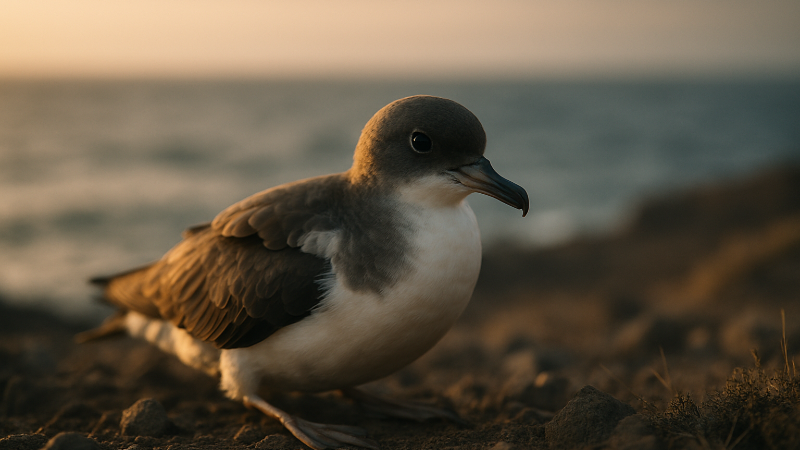
What Happens When the Lights Come On at Sea
Seabirds are declining faster than almost any other bird group on the planet. The reasons are varied, the solutions less so — and a single night rescue operation on Madeira shows exactly how much ground we have already lost, and how little it takes to stop losing more.
Read feature
What Two Women in Kibber Taught the World About Living with Snow Leopards
At more than 4,000 metres in the Spiti Valley, Dolma and Chodon have helped turn a village of leopard-wary herders into a community that now reports seeing more snow leopards than it did twenty years ago. The model behind that change is worth understanding in full.
Read feature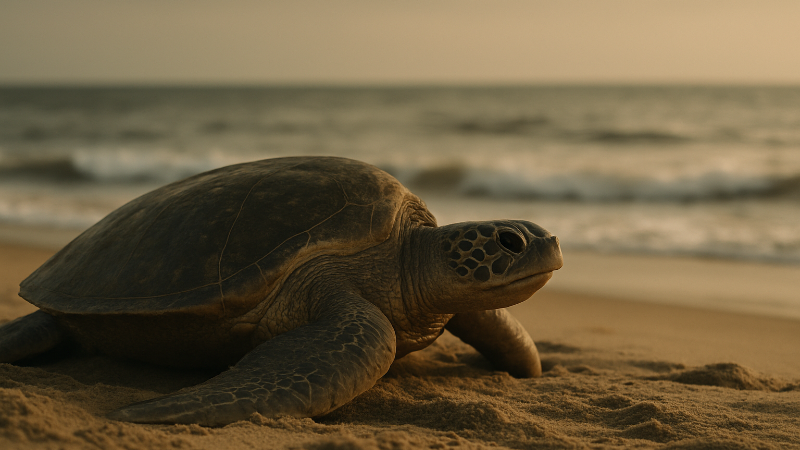
Why Sea Turtles Are Still Losing Ground
Sea turtles have outlasted mass extinctions, ice ages and the rise of every modern predator. What they have not yet outlasted is the ocean as it exists today — and World Turtle Day is a sharp reminder of what hangs in the balance.
Read feature