
Why Nature Is Now a Climate Strategy
This week marks World Environment Day 2026, themed Inspired by Nature. Behind the slogan is a growing body of evidence that restored ecosystems are among the most powerful climate tools available — and some of the least used.
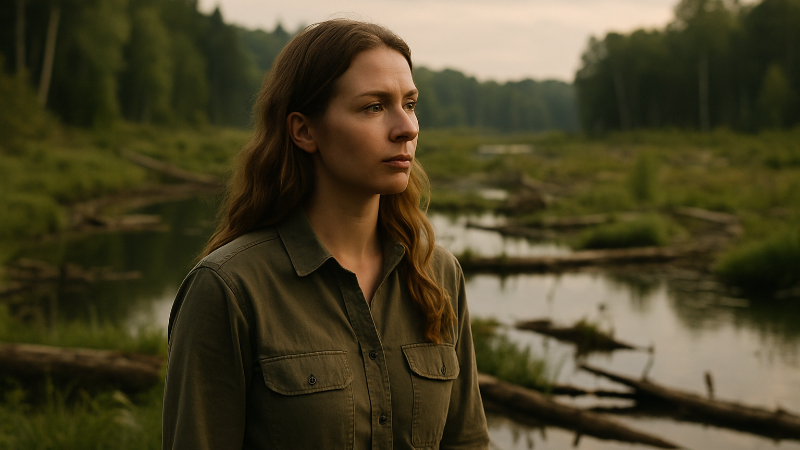
For decades, the dominant conversation about climate action has centred on what we must stop doing: burning fossil fuels, clearing forests, warming the atmosphere. The framing has been one of subtraction. What is now gaining serious traction among scientists, policymakers and communities in the field is a different argument — that some of the most effective climate interventions are not subtractive at all. They are generative. They restore what was there before.
Nature-based climate solutions is the term that has found its way into policy frameworks, UN reports and national adaptation strategies. In practice it refers to a wide range of approaches: restoring degraded watersheds, reforesting hillsides, rebuilding wetlands, recovering coastal ecosystems, and giving land that has been stripped of its natural function the conditions to regenerate. The appeal of these approaches is not only environmental. Healthy ecosystems regulate water cycles, reduce flood and drought risk, build soil fertility and support the livelihoods of the communities living within them. The climate benefit is real, but it arrives alongside a cascade of other stabilising effects.
The 2026 World Environment Day theme, Inspired by Nature, is a signal that this framing has moved from the margins of the environmental debate to its centre. The UN Environment Programme chose it at a moment when the evidence base for ecosystem restoration is stronger than it has ever been. Land restoration efforts documented across China, Africa, Latin America and parts of Europe have produced measurable results: returning vegetation cover to areas considered beyond recovery, restoring hydrological cycles disrupted over centuries of intensive land use, and rebuilding food security for communities whose livelihoods had collapsed alongside the land itself.
What makes this shift significant is not just the science. It is the precedent. Until recently, ecosystem restoration at scale was treated as aspirational — a good-news story for conference presentations, not a replicable model. A generation of documentary work, field science and community-led practice has now produced enough evidence to challenge that assumption. The argument is no longer hypothetical. Places that were degraded beyond apparent recovery have been brought back. Species have returned. Rainfall patterns have shifted. Poverty cycles have broken.
The question facing the 2026 World Environment Day is not whether nature-based solutions work. The evidence is clear. The question is whether the political will and the investment exist to apply them at the scale the challenge demands. The communities already doing this work on three continents know the answer is yes. What remains is the decision to act.
Explore the full Ecoflix collection at watch.ecoflix.com and join a growing global community turning viewing into impact.
First published in the Ecoflix newsroom.
More in Conservation
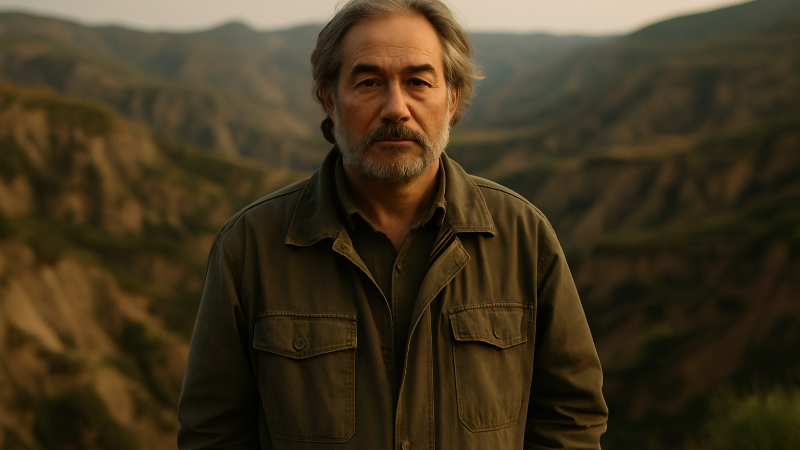
What 35,000 Square Kilometres Can Teach Us
In the 1990s, China's Loess Plateau was the most eroded place on Earth. What happened next is one of the most documented and significant acts of ecological recovery ever recorded — and its lessons apply far beyond China's borders.
Read feature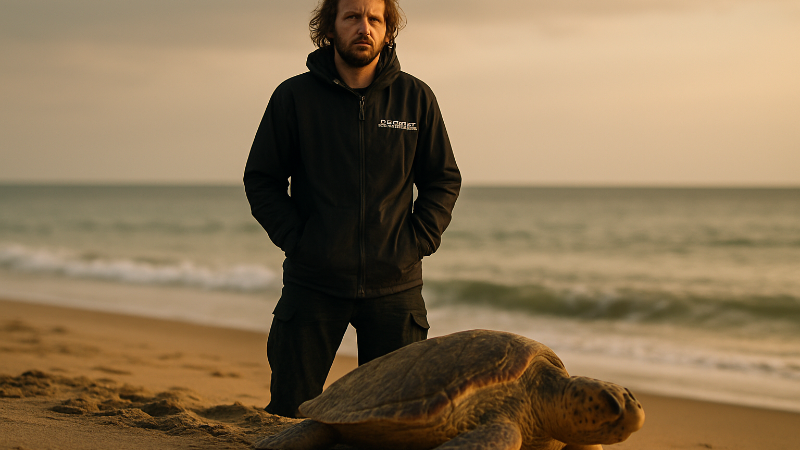
The Activists Holding Ocean Destroyers to Account
From Grenada's reefs to the killing bays of the Faroe Islands, the front line of ocean protection is held by a small number of organizations willing to go where others do not. What they find there is both troubling and clarifying.
Read feature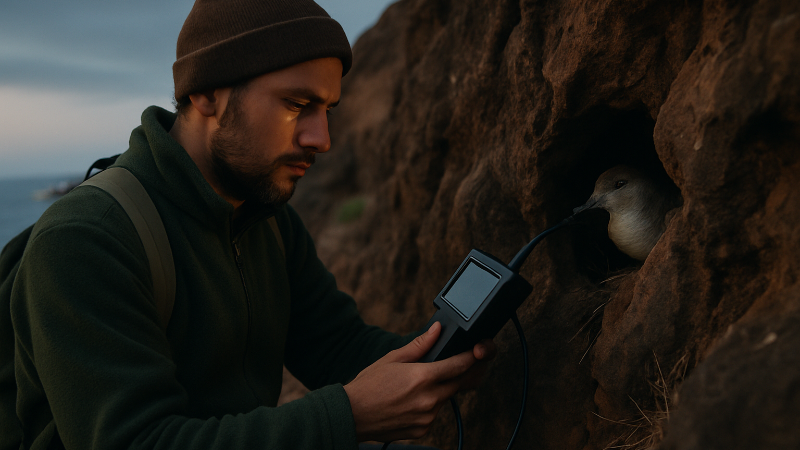
How Darkness Became a Conservation Tool
The science behind seabird rescue is more intricate than it looks from the street. From acoustic monitoring to GPS-tracked releases and tunable LED systems dimmed after midnight, the field methodology is reshaping how conservationists think about light, time and the design of coastal towns.
Read feature