
The People Who Hold the Line: Ranger Support and the Real Cost of Keeping Big Cats in the World
Conservation science can map a corridor. Policy can designate a reserve. But neither does anything without the rangers, community monitors and field teams who are physically present in the landscape every day. Their work is among the least funded and most essential in the field.
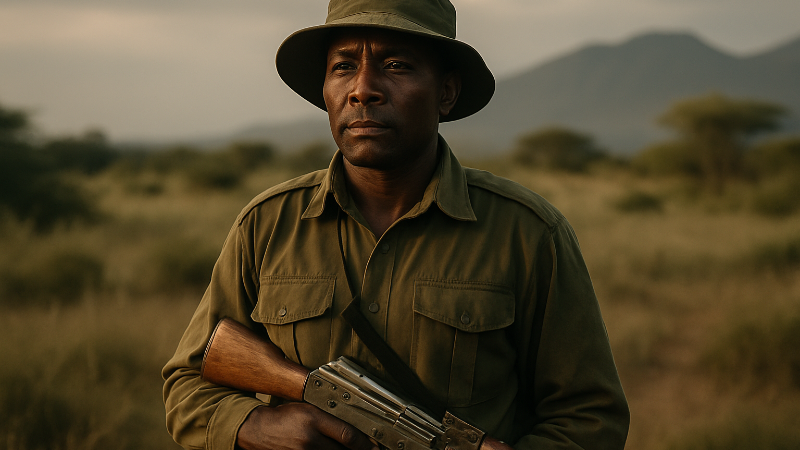
There is a figure that tends to go unacknowledged in the public conversation about big cat conservation. Across the ranges, wetlands and mountain passes where these animals survive, the person who most determines whether they continue to do so is not a scientist, a policy director or a donor. It is the ranger or community monitor who is present on the ground, often without adequate equipment, frequently without adequate pay, and almost always without the recognition that the work demands.
The Thin Green Line Foundation has spent years building a body of evidence around this reality. Rangers worldwide face conditions that the international conservation sector has been slow to address systematically: inadequate training, poor access to medical support, high rates of injury and death in the field, and a psychological burden that comes from sustained exposure to poaching, wildlife crime and community conflict with no meaningful support structure. The Foundation's programmes train rangers, support the families of those killed in service and work to establish baseline standards for ranger welfare that the sector has historically treated as secondary. The argument is simple. Conservation infrastructure that does not sustain its own people will not sustain the wildlife it is meant to protect.
Across Asia, the International Tiger Project brings a parallel focus to bear on the species complex that sits at the apex of the big cat conservation agenda. Tiger populations have recovered in several key range countries over the past two decades, and that recovery is inseparable from the quality of the protection infrastructure around core reserves. Camera trap networks, anti-poaching patrols, community liaison work and rapid-response capacity to incidents all require consistent, professional human presence. The data on tiger numbers is encouraging precisely because the investment in field capacity has been sustained.
The geographic spread matters. In Africa, Over and Above Africa operates across a set of conservation landscapes where the pressure on predator populations is shaped by different forces: bushmeat poaching, habitat fragmentation, human-wildlife conflict on the borders of protected areas and a persistent lack of operational funding at the reserve level. The organization works directly with rangers and community scouts, filling gaps that national park authorities cannot always close with their available resources.
In West Bengal, the fishing cat's situation adds another dimension to the same argument. Here, the conservation infrastructure is not a ranger patrol but a loose coalition of local naturalists, PhD researchers, NGO workers and school teachers, none of them formally designated as wildlife professionals, all of them performing the functions of frontline conservation without the title. Shubojit Maiti's team in the southern Bengal wetlands marks nocturnal trails to prevent road accidents involving wildlife, trains young community members in monitoring techniques and works with forest officials to improve the legal response when cats are killed. That kind of informal, distributed infrastructure deserves recognition alongside the formal ranger corps it often effectively supplements.
The Ecoflix Foundation supports conservation partners working at exactly this frontier. One hundred per cent of every donation goes directly to those partners in the field. Not to administration, not to platform operations, but to the organizations and the individuals doing the work that keeps wild cats in the landscape. What viewers of these films see on screen, the corral that saved a snow leopard's life, the camera trap that documented a fishing cat family in a Bengal marsh, the patrol that intercepted a snare before it closed, is paid for by the kind of sustained, unglamorous support that the conservation system depends on and does not always receive.
The animals will survive where the people protecting them are properly supported. That is the most direct summary of what a decade of field evidence from organizations like the Thin Green Line Foundation has produced. It is also the clearest argument for why the connection between watching and giving, between understanding and acting, translates into something real.
Support the Ecoflix Foundation and its NGO partners. Every donation goes directly to the field. Join at watch.ecoflix.com
First published in the Ecoflix newsroom.
More in Ecoflix Impact
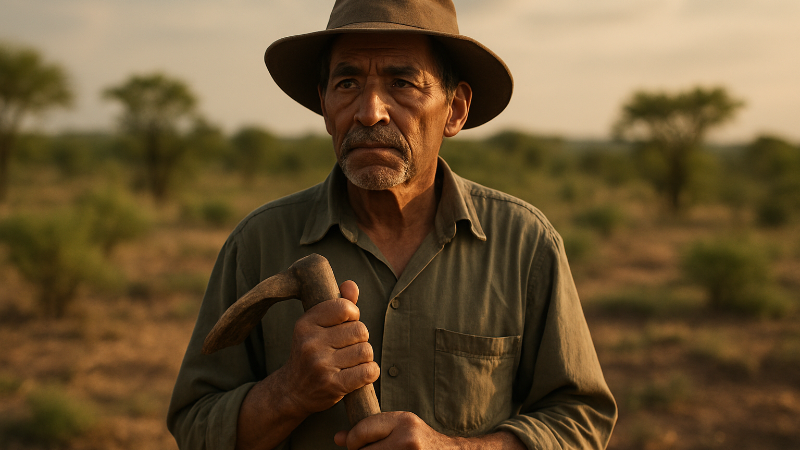
The Land That Came Back to Life
On World Environment Day 2026, the most powerful argument for nature-based climate action is not a projection or a policy paper. It is the evidence of what communities have already done — on three continents, with their own hands and their own land.
Read feature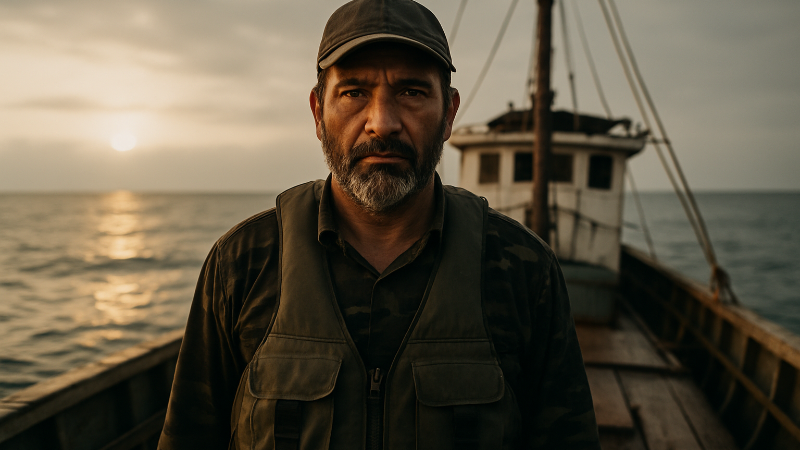
When Fishing Communities Defend the Ocean
The strongest evidence that marine protection works is not found in policy documents. It comes from the fishing communities, enforcement networks and NGO partnerships where illegal fishing has been met, and turned back. Neptune's Pirates is one of those stories.
Read feature
Why Beavers Are Already Doing the Job Policy Hasn’t
Beaver reintroductions in Britain have moved faster than legislation, faster than expectation, and produced measurable ecological change in a handful of years. The evidence is now harder to ignore than the politics around it.
Read feature