
How Fishermen Are Saving Turtles in Grenada
On a 12 square mile island in the southern Caribbean, scientists, a wildlife vet and local fishermen have completed the first ever in-water survey of sea turtles around Carriacou — and in doing so, may have changed the terms of the conversation for good.
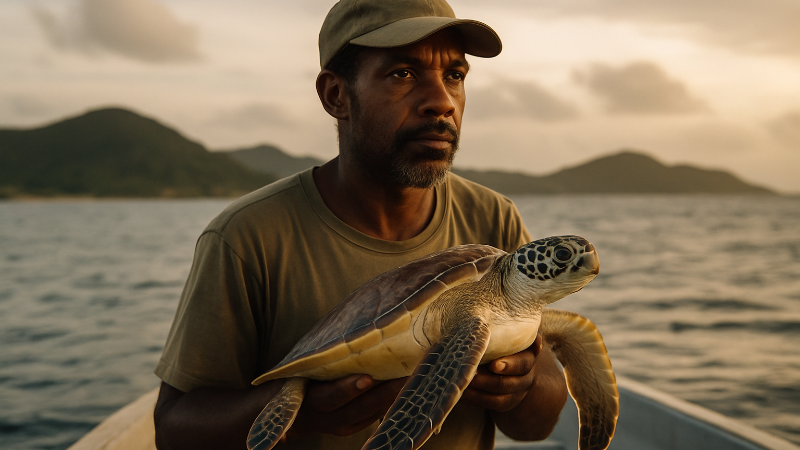
Carriacou is not a large place. The smaller of Grenada's two main islands covers 12 square miles and has a coastline that the island's fishing community knows in the kind of granular detail that no scientific survey can fully replicate.
That knowledge — of specific sleeping sites on the reef, of particular foraging grounds, of the routes turtles take between them — is exactly what a team of marine researchers from Ocean Spirits, the University of the Virgin Islands and the Hoxwell Project needed when they arrived to conduct the first ever in-water survey of hard-shelled sea turtles around the island.
The decision to bring local fishermen in as active partners was not a concession to community relations. It was methodological. The sleeping sites and foraging grounds that would take researchers months to locate independently were, for the fishermen, common knowledge developed over careers spent on the water.
One local researcher on the project made the point directly: he can talk to fishermen in ways an outsider cannot. Being an insider in conservation, he argued, is its own form of expertise — and in this case it was the form of expertise the survey most needed. The result was a research model built on reciprocal respect rather than top-down scientific authority.
What the survey produced was scientific baseline data. The team took biometrics from the turtles they encountered, drew blood samples for a genetic database, and applied flipper tags that will allow individual animals to be tracked across the wider Caribbean.
That tracking capacity matters beyond the immediate island context. Sea turtles are highly migratory; a turtle nesting in Grenada may forage off the coast of Trinidad or Venezuela, which means that conservation decisions made in one jurisdiction directly affect populations elsewhere. The genetic data, once accumulated and shared, allows researchers to understand population connectivity across the region — which populations are thriving, which are under pressure, and where the most urgent interventions are required.
The baseline the survey creates is foundational in another sense. Before any formal marine protected area can be designated around Carriacou, regulators need evidence: where the turtles are, in what numbers, and what habitats they depend on. The survey begins to answer those questions for the first time.
Alongside the science, a cultural shift was already underway before the researchers arrived. Fishermen who had previously taken turtles during the local hunting season were choosing to participate in tagging instead.
"We actually have had fishermen switch to research," noted one team member involved in the project.
That shift — voluntary, culturally grounded and driven by the community's own relationship to the animals — is the kind of change that conservation programmes rarely produce through external pressure alone.
The model demonstrated in Carriacou does not require large budgets or permanent scientific infrastructure. It requires genuine collaboration, patience with local knowledge, and a willingness to build slowly from a data-free baseline.
The fact that the island had no previous in-water survey data at all is itself instructive: conservation resources concentrate in well-studied ecosystems, leaving smaller islands like Carriacou working with almost nothing.
The Grenada survey challenges that pattern. Searching For Sea Turtles In Grenada documents the process in full, and the story it tells is one of what becomes possible when the question of who holds useful knowledge is answered honestly.
Stream Searching For Sea Turtles In Grenada and support the work of our conservation partners at https://watch.ecoflix.com/programs/searching-for-sea-turtles-in-grenada
First published in the Ecoflix newsroom.
More in Conservation
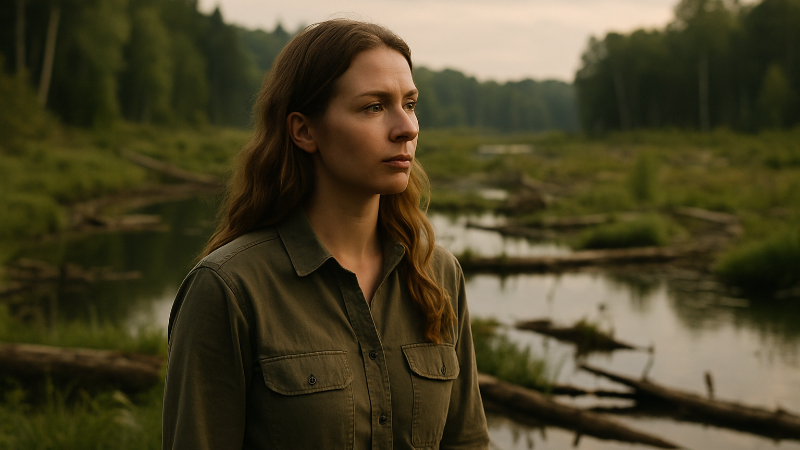
Why Nature Is Now a Climate Strategy
This week marks World Environment Day 2026, themed Inspired by Nature. Behind the slogan is a growing body of evidence that restored ecosystems are among the most powerful climate tools available — and some of the least used.
Read feature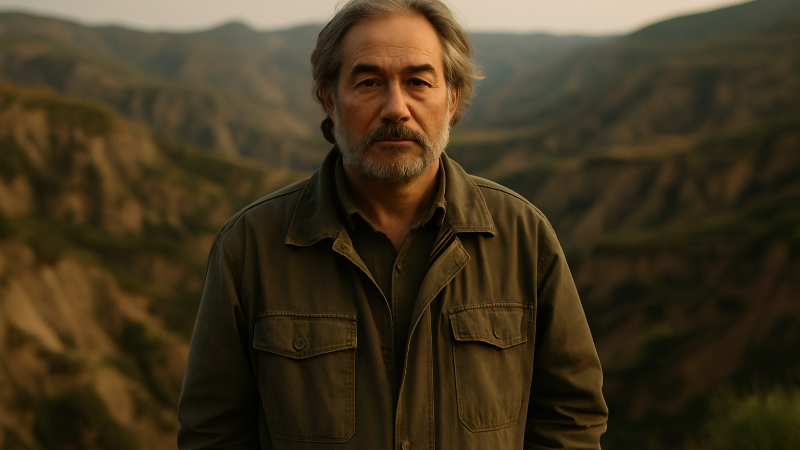
What 35,000 Square Kilometres Can Teach Us
In the 1990s, China's Loess Plateau was the most eroded place on Earth. What happened next is one of the most documented and significant acts of ecological recovery ever recorded — and its lessons apply far beyond China's borders.
Read feature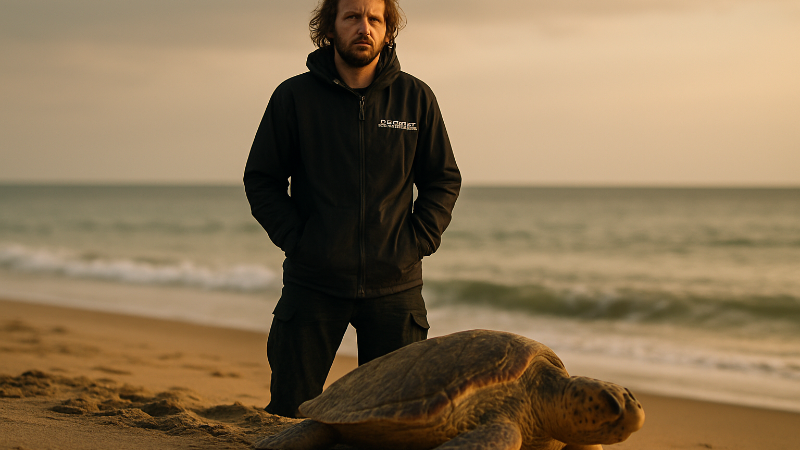
The Activists Holding Ocean Destroyers to Account
From Grenada's reefs to the killing bays of the Faroe Islands, the front line of ocean protection is held by a small number of organizations willing to go where others do not. What they find there is both troubling and clarifying.
Read feature