
Lori Hood’s Florida Rescue-to-Reform Mission
When animals began turning up at the end of her rural road, Lori Hood discovered a system that euthanised pets within days – and decided to build something better. In a podcast interview, she shared how Alaqua Animal Refuge grew from a barn

Key Podcast Takeaways
● A personal wake-up call in 2007 led Lori Hood to found Alaqua Animal Refuge to stop rapid-euthanasia outcomes in multiple counties.
● Alaqua cares for far more than cats and dogs—horses, farm animals and wildlife are central to its mission.
● Training law enforcement and prosecutors on animal-cruelty cases created real accountability where none existed.
● Legislative advocacy delivered tangible wins, from anti-cruelty fixes to curbing wildlife exploitation.
● Disaster response is now core capacity: Alaqua coordinated care for thousands of animals after Hurricane Michael.
● A new 100-acre campus aims to be an ethical, educational alternative to traditional zoos—focused on Florida native species.
● Community volunteers, storytelling and partnerships make large-scale rescue and reform possible.
Context
In this edition of the Ecoflix Podcast, host David Castleman spoke with Lori Hood, founder of Alaqua Animal Refuge in Northwest Florida. Hood’s journey began when she learned that animals collected by local authorities were being euthanised within three to five days due to a lack of public shelters. Starting with a small barn and a fierce determination, she created a refuge that now rescues, rehabilitates and rehomes companion animals and farm animals, supports law enforcement on cruelty cases, and responds to disasters. In recent years, Alaqua also launched a wildlife rehabilitation centre to serve a vast, previously uncovered region. Hood’s story illustrates how one local initiative can evolve into a model for humane systems change—from courtroom training to policy reform—while staying grounded in hands-on care.
Main Story
A wake-up call on a dirt road
In 2007, Lori Hood and her family moved “to the country,” only to find animals routinely dumped at the end of their road. A quick investigation revealed that several counties had no public shelter; animals were taken to a private facility and euthanised within days. Hood’s response was immediate: she founded Alaqua Animal Refuge, rescuing 38 animals from that pipeline the very next day. What began with eight acres, a small barn and a single volunteer rapidly became a lifeline for animals across the region.
From the outset, Alaqua took in more than dogs and cats. Starved horses, neglected farm animals and backyard exotics soon arrived, often as part of cruelty investigations. With animal control turning to Alaqua for help, Hood scrambled to expand capacity—writing grants, mobilising volunteers and creating makeshift housing (including chicken runs built from hardware-store wire in the early days). Within a year, hundreds of animals were in care; today, more than 400 active volunteers power the work. The model is pragmatic and hopeful: tell the full story, then show the happy endings that communities can help create.
A pivotal moment came when a severely starved miniature horse case appeared likely to go unprosecuted. Hood discovered a gap: law enforcement lacked evidence packages, and prosecutors lacked training. She convened both sides, then developed accredited, free continuing-education seminars for officers and attorneys, bringing in experts such as animal forensics specialist Dr Melinda Merck.
The results were immediate: dozens of active cases and a culture shift that treated animal abuse as the public-safety issue it is. Hood also pushed legislative fixes, including addressing the absurdity of “one count” covering cruelty to dozens or even thousands of animals. Editor check: verify exact statutory change details and year.
Advocacy with teeth: from racing to bears
Hood’s policy work widened to state and national campaigns—supporting the end of greyhound racing in Florida, strengthening anti-animal-fighting measures, and resisting harmful wildlife policies. She’s currently battling “bad bear” proposals that would green-light lethal force against Florida black bears on vague “feeling threatened” grounds. The strategy: meet lawmakers where they are, reframing animal protection as community safety and responsible stewardship rather than a niche concern.
When Category 5 Hurricane Michael struck in 2018, Alaqua pivoted overnight. Gaining rapid clearance, the team evacuated animals abandoned in a shut shelter and, over the following weeks, coordinated the care of more than 2,000 animals with national partners camping on-site. Volunteers rebuild too—often while repairing their own homes. Subsequent storms and flash floods forced further adaptation, from paddling horses to high ground to rethinking facility design as climate risks mount. The takeaway: disaster readiness is now essential infrastructure for humane organizations.
Call volumes about injured or orphaned wildlife revealed another gap: a 12-county stretch without a wildlife rehab centre. Alaqua converted condemned buildings into treatment spaces and opened a wildlife facility that has handled roughly 4,000 animals across 400 species in two years, many of them migratory birds. The work is different from companion-animal rescue: outcomes are tougher, and issues like lead and rodenticide poisoning are common. Yet the mission is clear—heal, limit human contact and return animals to the wild whenever possible.
A humane alternative to the zoo
Alaqua is now developing a 100-acre campus, envisioned as a family-friendly “animal welfare theme park” focused on Florida native species and humane education. Plans include a Bear Education Center; ambassador animals will be unreleasable wildlife that would otherwise face euthanasia. To protect animal welfare while inviting the public in, the design features two-way glass, remote cameras and viewing corridors so visitors can learn without stressing animals. Trails, creeks and habitat-scale enclosures aim to reconnect people with the outdoors, while a separate 700-acre conservation parcel safeguards living ecosystems beyond the fence. Editor note: verify acreage and conservation-parcel details.
What You Can Do Next
● Watch & share this podcast to amplify Alaqua’s model for rescue, training and reform.
● Adopt or foster from a reputable rescue; fostering frees space for the next animal in crisis.
● Volunteer hands-on at a local shelter or wildlife centre—transport, animal care, admin, or events.
● Advocate: contact state reps about humane bills (e.g., oppose ‘shoot-on-sight’ bear proposals; support anti-cruelty reforms).
● Prevent harm at home: avoid second-generation rat poisons; secure bins; keep pets safe around wildlife.
First published in the Ecoflix newsroom.
More in Policy
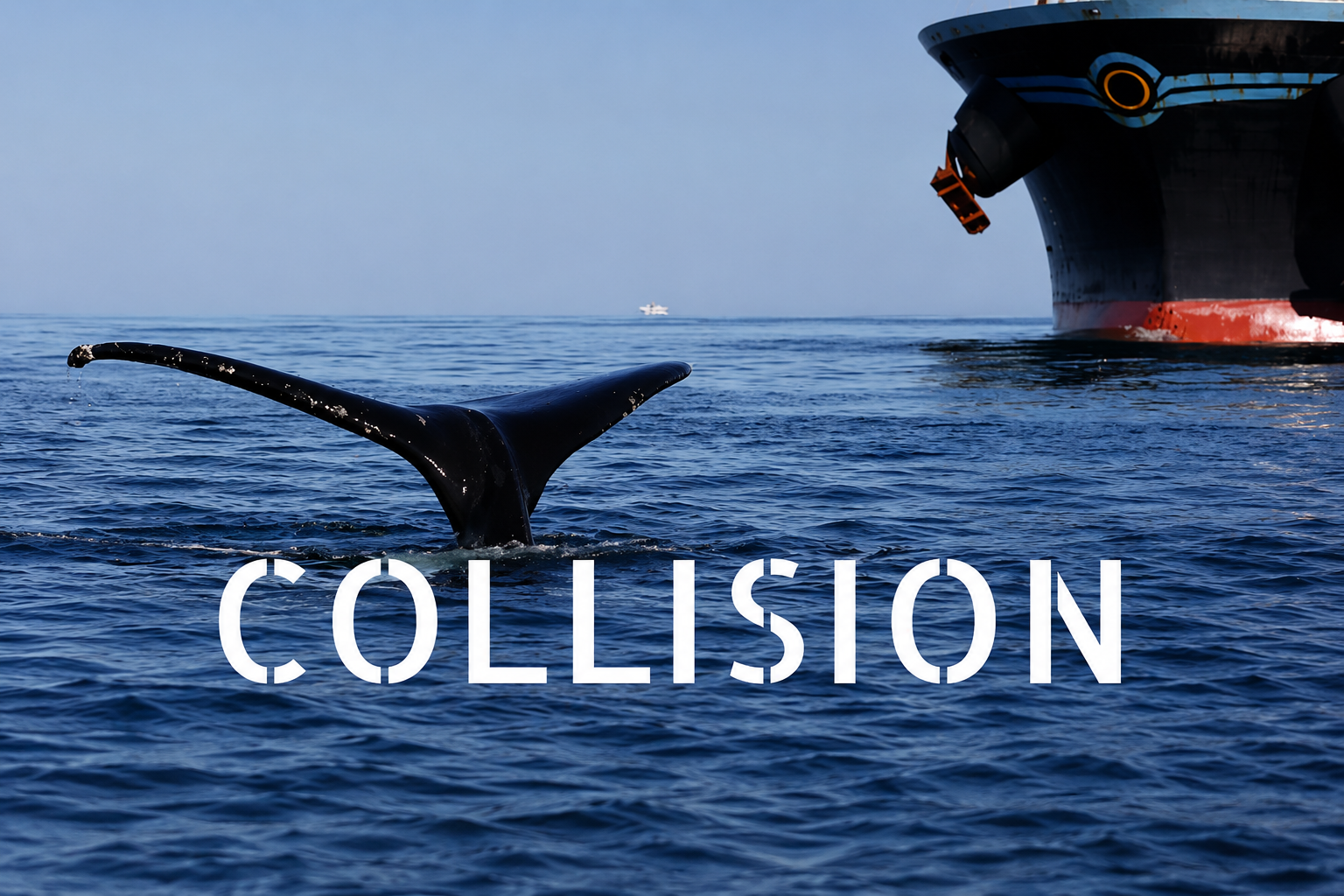
Collision: the invisible toll of ships on the great whales
Every year thousands of great whales are struck and killed by ships, and we see fewer than one in twenty. Collision, premiering on Ecoflix, follows the scientists, sailors and shipping companies proving this is a problem we already know how to solve.
Read feature
The Land That Came Back to Life
On World Environment Day 2026, the most powerful argument for nature-based climate action is not a projection or a policy paper. It is the evidence of what communities have already done — on three continents, with their own hands and their own land.
Read feature
Most Marine Protected Areas Exist Only on Paper
On World Oceans Day, the gap that matters most is not between healthy seas and degraded ones — it is between the protections governments have announced and the ones that actually function. The 30x30 target is closer than it looks, and further away than the numbers suggest.
Read feature