
Why Insect Decline Is a Warning to Us All
Roughly 40 per cent of insect species are now at risk of extinction. The bees are the most visible sign of a disruption running through the entire food system — and through every ecosystem that sustains it.
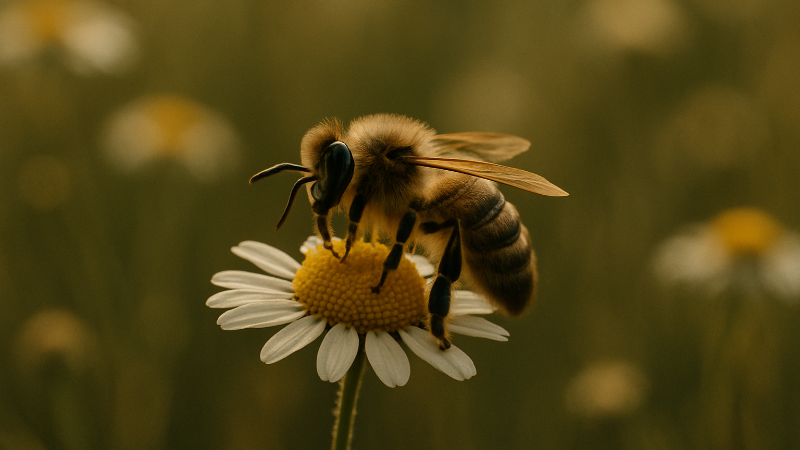
Around 40 per cent of insect species face extinction risk, according to the most comprehensive global review of insect populations conducted to date. That figure is arresting enough on its own. What it conceals is equally significant: bees, the insects most people think of first, are not the whole story. They are the signal. The collapse unfolding around them reaches into every layer of the living world.
Bees pollinate roughly 75 per cent of the fruits and vegetables in the human diet. Take away the bee and you do not simply lose honey — you lose apples, almonds, pumpkins, berries and cucumbers, along with the cascading animal life that depends on those plants for food and shelter. The logic of the ecosystem is not difficult to follow once you start looking. Forests grow because pollinated plants reproduce. Soil stays in place because root systems persist. Birds and small mammals eat the seeds and fruits that pollinated flowers produce. When the pollinator goes, the chain begins to unravel from the first link.
What makes the current situation distinct from natural population fluctuation is the speed. In the last fifty years, the pressures on insect life have intensified faster than at almost any point in the last fifty thousand years. Intensive agriculture is the dominant driver. Across large parts of Europe, fields that once contained mixtures of grasses, legumes, herbs and wildflowers have been converted to monocultures maintained by herbicides that kill everything except the target crop. What remains is described, in the field, as a famine for pollinators — enough habitat to sustain managed honeybee colonies in warmer months, but nowhere near enough to support the full range of wild bee species that do the heavier share of pollination work in natural ecosystems.
Solitary bees are where the deficit is sharpest. Unlike honeybees, which live in colonies of tens of thousands, or bumblebees, which operate in groups of up to ninety, solitary bees are single insects. A mason bee or leafcutter bee makes its nest alone, lays its eggs, seals the chamber with cut leaves or mud, and dies. The next generation emerges the following season to repeat the cycle across a six-week active window. These are the bees doing the most effective pollination work — a solitary bee loses around half the pollen it collects on its journey back to the nest, cross-pollinating across a wider range than any colonial species. They are also the bees with the least research attention and the least habitat provision.
The problem is not unknown. But awareness of decline and the political and agricultural will to reverse it are different things. What bee populations are revealing now, if the broader evidence is read honestly, is not simply a bee crisis. It is a condition report on the state of the ecosystems we depend on — ecosystems that are under the same pressures from the same sources. Bees are the most readable indicator because their role is so directly tied to food. They are not the only one.
Stream Be Brave To Act - Episode 3 Ireland's Wild Bees and see the conservationists working in the field to reverse the decline at https://watch.ecoflix.com/programs/bbta_ep3_irelands_wild_bees
Stream Be Brave To Act - Episode 3 Ireland's Wild Bees and see the conservationists working in the field to reverse the decline at https://watch.ecoflix.com/programs/bbta_ep3_irelands_wild_bees
First published in the Ecoflix newsroom.
More in Conservation
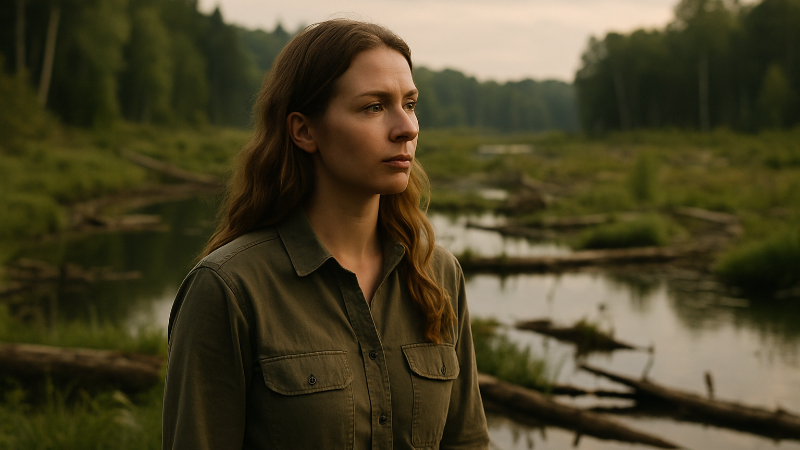
Why Nature Is Now a Climate Strategy
This week marks World Environment Day 2026, themed Inspired by Nature. Behind the slogan is a growing body of evidence that restored ecosystems are among the most powerful climate tools available — and some of the least used.
Read feature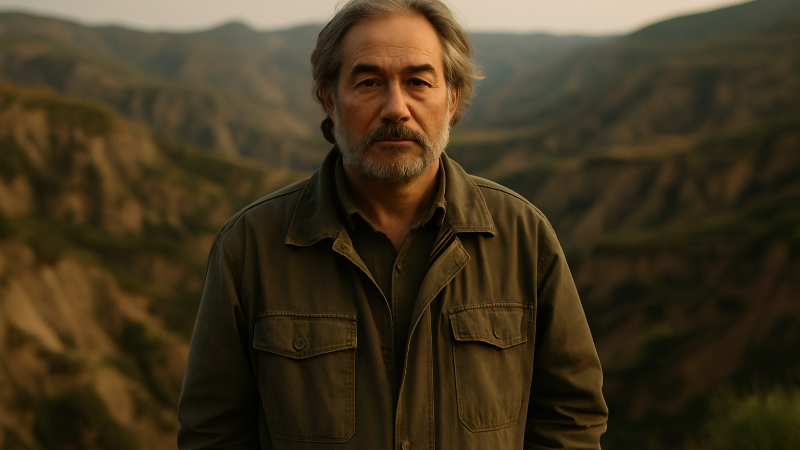
What 35,000 Square Kilometres Can Teach Us
In the 1990s, China's Loess Plateau was the most eroded place on Earth. What happened next is one of the most documented and significant acts of ecological recovery ever recorded — and its lessons apply far beyond China's borders.
Read feature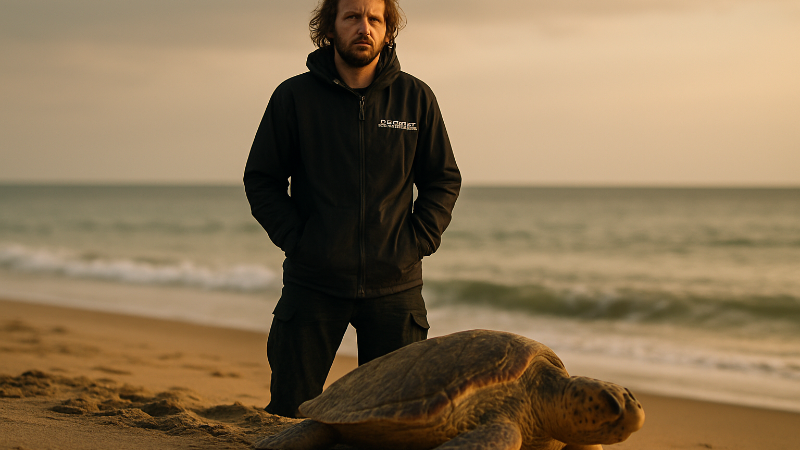
The Activists Holding Ocean Destroyers to Account
From Grenada's reefs to the killing bays of the Faroe Islands, the front line of ocean protection is held by a small number of organizations willing to go where others do not. What they find there is both troubling and clarifying.
Read feature