
The Trade That Turned a Forest Animal Into a Coffee Machine
From captive kopi luwak farms to unregulated markets, civet exploitation carries costs that the luxury coffee trade has long preferred not to advertise.

The Asian palm civet is not, by most measures, an animal built for attention. Nocturnal and largely solitary, it moves through forest edges and plantation margins across South and Southeast Asia, dispersing seeds, managing its territory and leaving almost no trace beyond the occasional scratch in bark or the fallen husk of a coffee cherry.
It is, in ecological terms, a quiet functional component of a larger system. That same invisibility has made it one of the most persistently exploited animals in the commercial wildlife trade, and one of the least studied.
Kopi luwak, coffee produced from beans that have passed through a civet’s digestive tract, is the product at the centre of this story. The fermentation process was long claimed to produce a smoother, more complex cup, and by the 1990s that had been packaged into a global luxury narrative worth hundreds of pounds per kilogram at its peak. What the narrative never adequately disclosed was where the product was actually coming from. Wild-harvested beans, genuinely collected from the droppings of free-ranging animals, represent a fraction of market supply. The majority of commercial kopi luwak is produced by civets kept in small wire cages, fed a near-exclusive diet of coffee cherries and denied every behaviour their biology requires.
Captivity exacts a specific biological toll. In natural habitat, civets are wide-ranging and territorial; they hunt, climb and engage in complex nocturnal routines across ranges that can span several square kilometres. In production cages, none of that is possible. Research conducted by the Civet Project, which has documented conditions at kopi luwak facilities across Vietnam and Indonesia, found consistent stress indicators in captive populations: repetitive stereotypic behaviours, alopecia and reproductive suppression. Compounding this is a near-total absence of supply chain transparency. Kopi luwak sold in airport retail units, hotel boutiques and international online markets rarely carries any verifiable information about source conditions. A “wild-sourced” label carries no regulatory weight without credible third-party inspection.
Scientific literature and documentaries about wildlife in the Viverridae family have historically prioritised more charismatic carnivore groups, which means the functional role of civets remains less well documented than for most comparable species. Civets are omnivorous seed dispersers whose activity contributes to forest regeneration in ways that are still being mapped. A sustained decline in wild populations, whether through direct capture or habitat fragmentation, removes a role that other species do not straightforwardly fill. Part of the Civet Project’s mission is to build the species-level data that conservation bodies need before formal protection measures can be considered.
What distinguishes the civet’s situation from other wildlife trade stories is an additional dimension that conservation scientists have been building evidence for since 2003: a documented link between civet exploitation and human health risk. That argument is the subject of the nature wildlife documentary Civet Coffee: From Rare to Reckless, which follows the Civet Project’s teams to Vietnam and examines both the conditions sustaining civet exploitation and the broader scientific case for treating these animals as a conservation priority. It is a film worth watching not as an emotional appeal but as an evidence-based examination of a trade that has been hiding in plain sight.
Invisibility is at the heart of this story. What cannot be named or valued in conventional conservation terms is easy to exploit and discard. That is changing as organizations like the Civet Project build the evidence base to make these animals visible on their own terms. For consumers and institutions with the power to change sourcing standards, the material now exists to act on.
Join the Ecoflix community and watch Civet Coffee: From Rare to Reckless at watch.ecoflix.com
External Links
The Civet Project
IUCN SSC Small Carnivore Specialist Group
First published in the Ecoflix newsroom.
More in Wildlife
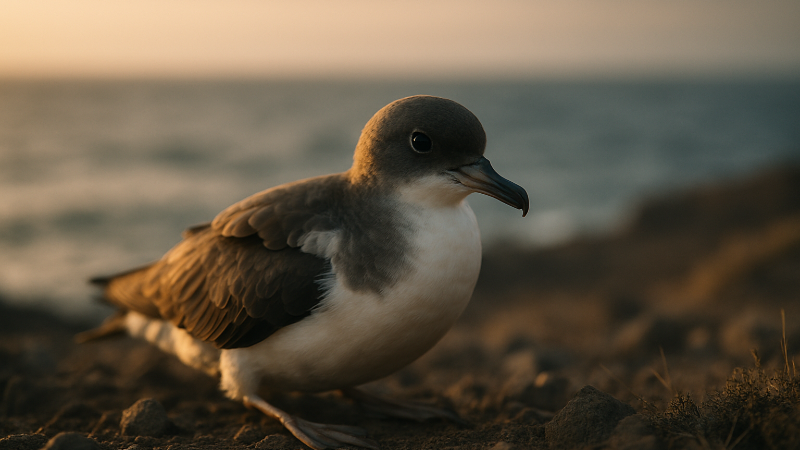
What Happens When the Lights Come On at Sea
Seabirds are declining faster than almost any other bird group on the planet. The reasons are varied, the solutions less so — and a single night rescue operation on Madeira shows exactly how much ground we have already lost, and how little it takes to stop losing more.
Read feature
What Two Women in Kibber Taught the World About Living with Snow Leopards
At more than 4,000 metres in the Spiti Valley, Dolma and Chodon have helped turn a village of leopard-wary herders into a community that now reports seeing more snow leopards than it did twenty years ago. The model behind that change is worth understanding in full.
Read feature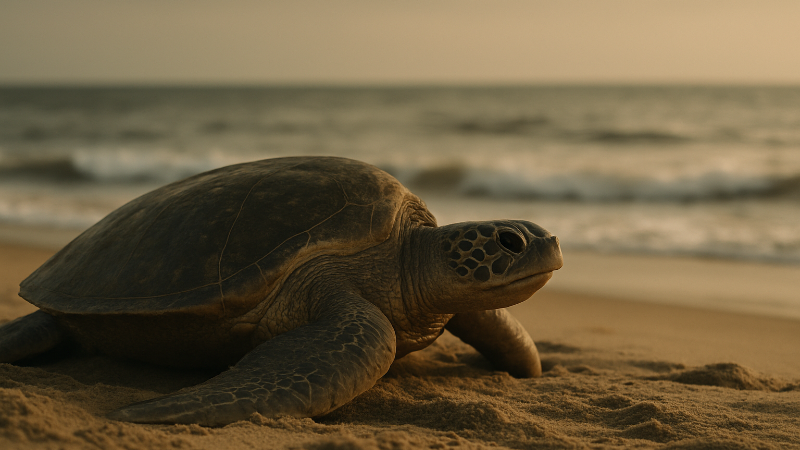
Why Sea Turtles Are Still Losing Ground
Sea turtles have outlasted mass extinctions, ice ages and the rise of every modern predator. What they have not yet outlasted is the ocean as it exists today — and World Turtle Day is a sharp reminder of what hangs in the balance.
Read feature